TL;DR
- The future of QSR is a crew with more time for guests, because AI takes the order-taking conversation off the headset.
- Guests are ready for voice ordering. Roughly six in 10 millennials and Gen Z adults say they would place an order with an AI-generated bot.
- Adoption is early: only 6% of restaurants use AI for customer orders, and independent tests show real gaps as well as real gains.
- Scale is the test. Hi Auto processes 100M+ orders per year and reports 93%+ completion AND 96% accuracy.
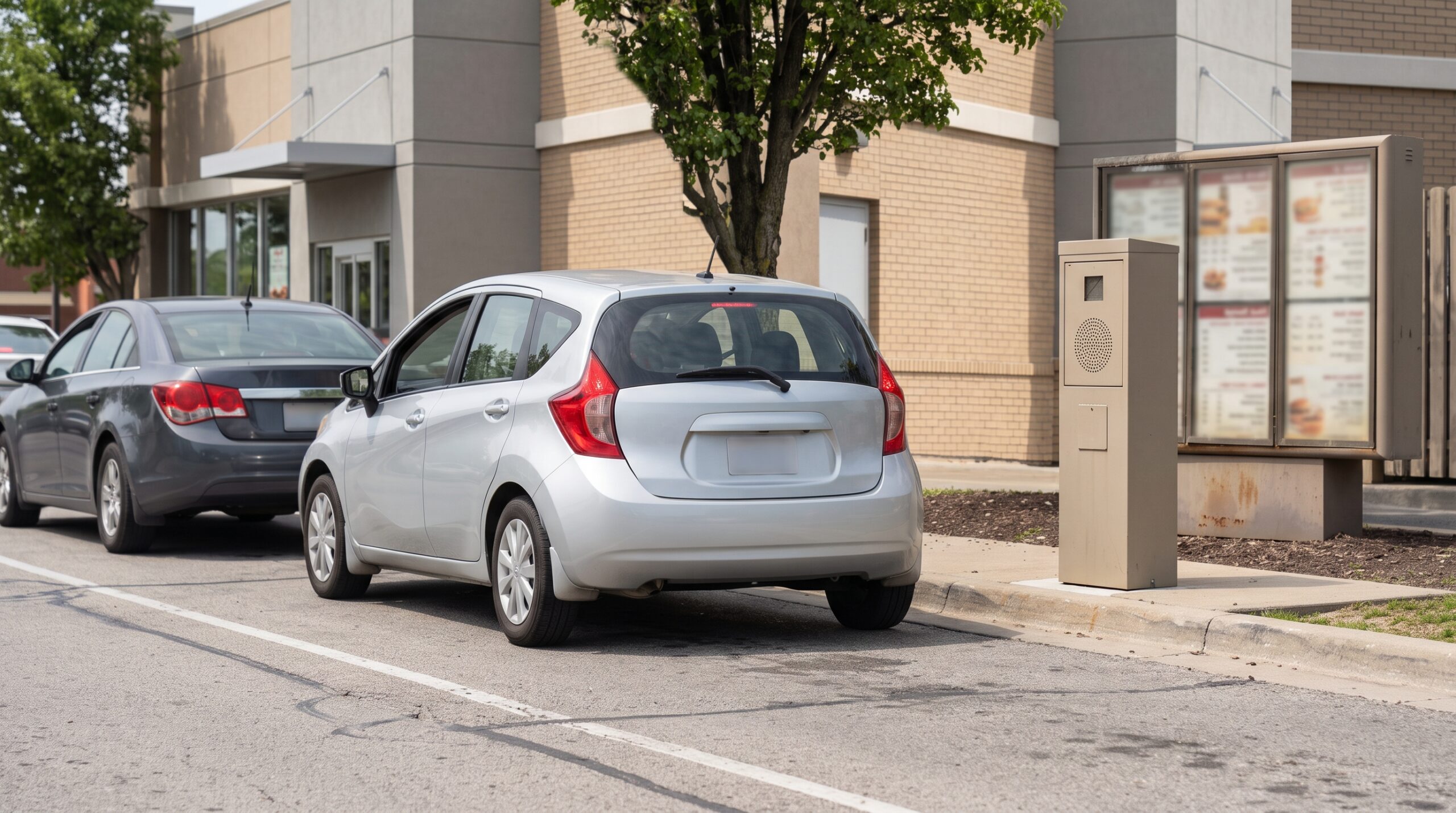
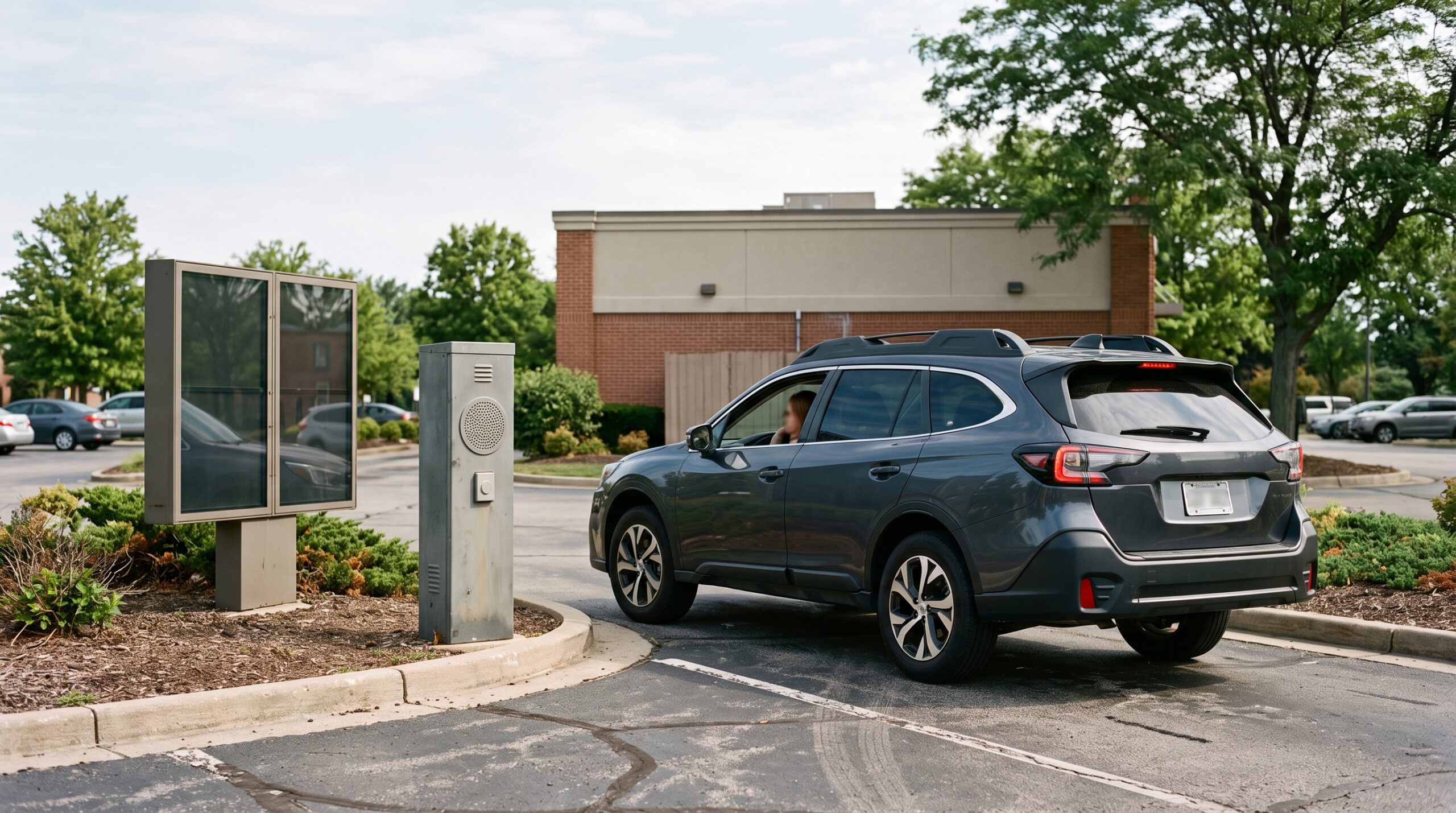
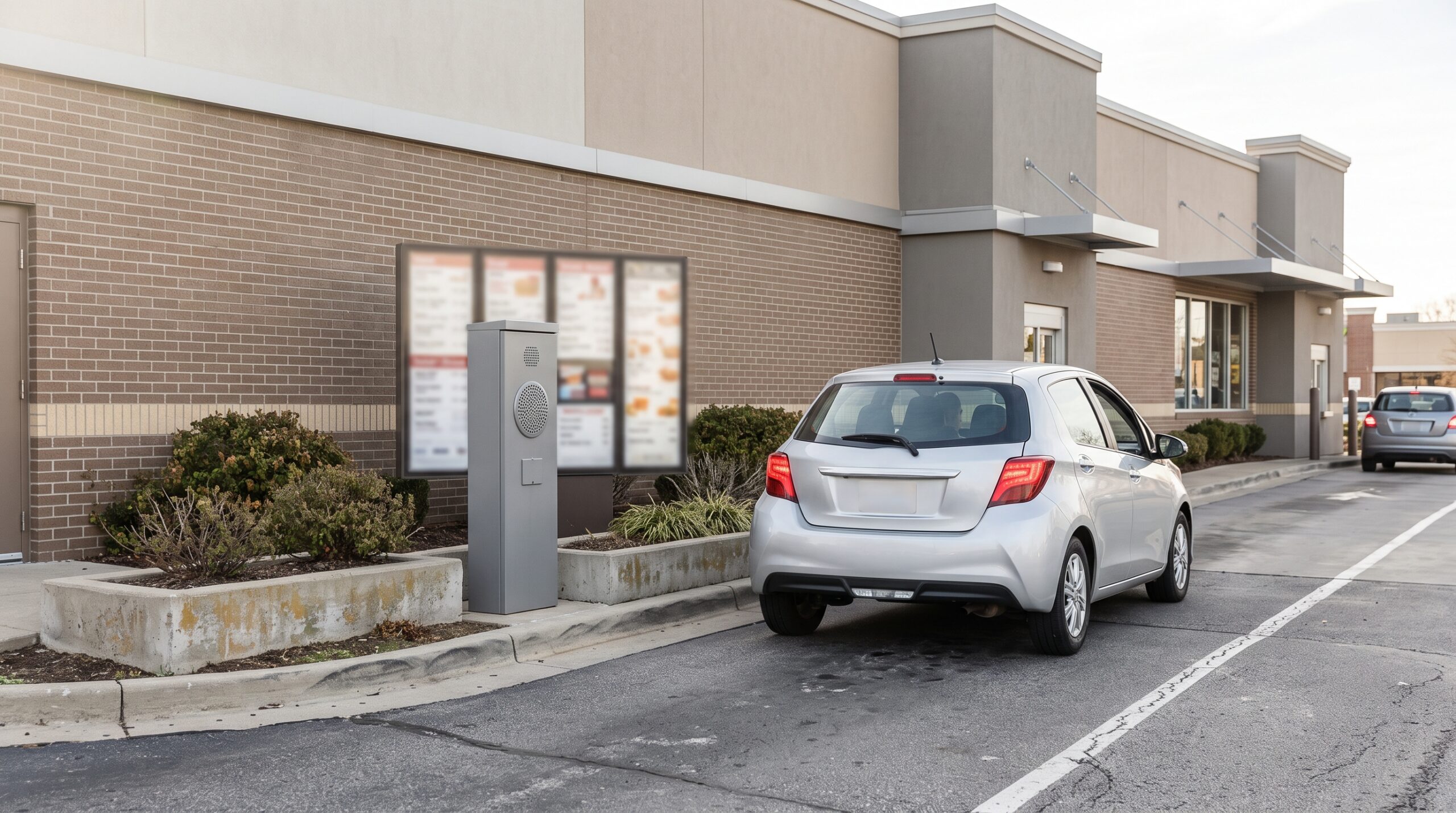
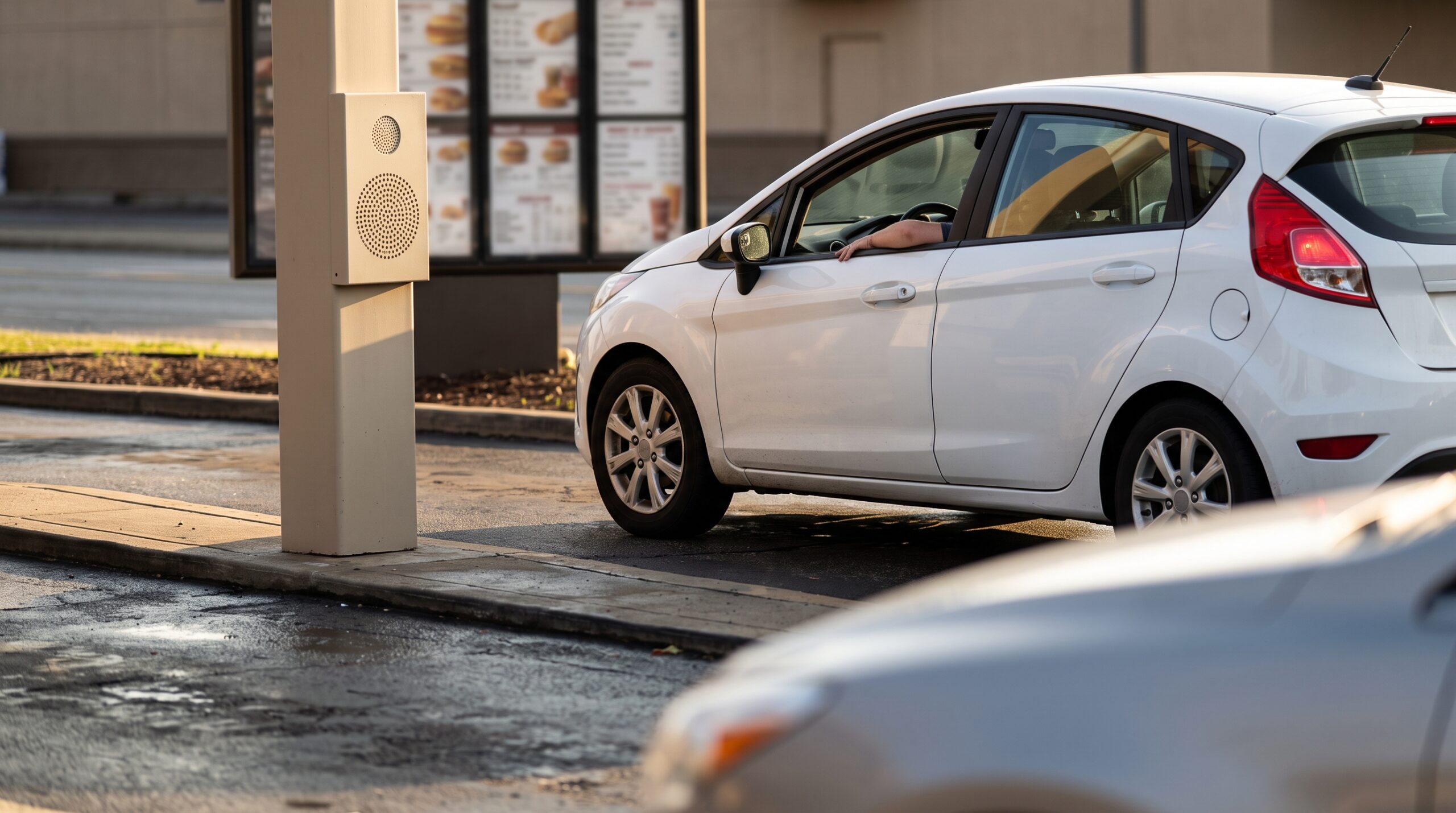
It is 12:14 on a Tuesday. The lunch rush has six cars stacked in the lane. One crew member has a headset on, listening for the next order over the hiss of the fryer. She is also watching the confirmation board, handing change through the window and glancing back to see whether the last order is up. That is four things at once, and the car at the speaker is still talking.
The future of QSR starts in that lane. At a growing number of QSR drive-thrus, the order-taking conversation has moved off the headset, and what crews and guests get back is the story. This piece looks at where the drive-thru is heading, what the evidence shows so far, and what is still to be proven.
Guest expectations are shifting
Guests already speak to technology all day, and the speaker is one more place they expect to be understood. The National Restaurant Association’s State of the Restaurant Industry 2026 report, covered by Restaurant Dive (Julie Littman, 18 February 2026), found that roughly six in 10 millennials and Gen Z adults said they would place an order with an AI-generated bot.
Independent testing shows early promise. In the Intouch Insight, 2026 Drive-Thru Study (mystery shops in June and July 2026), voice AI completed 77 orders end to end at three brands. On those orders, the AI confirmed the order back 90.9% of the time and answered the shopper’s question 93.5% of the time. The voice AI sample was 120 visits, so it is a small sample, and it shows what the industry is seeing, not how any one vendor performs.
What guests want has not changed: a quick, friendly exchange that gets the order right. The guest experience bar is simply set by the best conversation they have had elsewhere. Jose Armario, CEO of Bojangles, described how it feels in his lanes:
“The beauty of this technology is that we haven’t missed a beat when it comes down to the ability for this technology to interact as friendly, as efficiently as a human person.”
Jose Armario, CEO, Bojangles. QSR webinar “AI Order Taker That Works: The Bojangles Model”, July 2025. Watch Jose Armario in the QSR webinar on Hi Auto’s videos page
The bar also includes language. Bojangles now offers Spanish ordering in the drive-thru, and Hi Auto handles English and Spanish with auto-detect, including a switch mid-order.
The window becomes a hospitality moment
The pickup window has always been where a brand makes its impression. It is the one moment of real human contact in the drive-thru. For years, it was also the moment crews had the least room to show up for.
The reason is the job design. The person at the window was often answering the headset, ringing orders and handing out food as well. The station asked one person to be four places at once, and the guest at the glass got whatever attention was left.
When an AI order taker handles the conversation at the speaker, that split attention eases. Linda Ronda, a Store GM at Checkers, described the difference:
“Before we used to have to stress on trying to run to the front and answer the speaker for the guests and ring up orders and stuff but now we can do other things and be able to say and still pay 100% attention to the guests at the window.”
Linda Ronda, Store GM, Checkers. Hi Auto customer video, 2025. Watch Linda Ronda in her customer video on Hi Auto
A crew member with room to look up can make eye contact, check the bag and say something genuine. Guests may never think about who took the order. They will notice that the window felt warmer.
The kitchen keeps pace
Everything in the kitchen depends on one thing: a clean order that arrives on time.
When one person is juggling the headset, the window and the food line, small errors creep in at the hand-off. A modifier is missed. A correction never reaches the right station. Each fix is a pause in the flow, and during a rush one pause reaches every car behind it.
When the order is captured correctly at the speaker, it appears on the order confirmation board so the guest can check it before pulling forward, and it reaches the kitchen through the kitchen display system. The cooking, assembly and quality checks remain human work. A clean order gives that work a solid start.
The workforce evolves
The drive-thru station has always asked a lot of one person: headset, food, cash and window at the same time. The load comes from how the station was built as the drive-thru format grew, and it says little about anyone’s effort.
The U.S. Bureau of Labor Statistics reports that 5,143,000 people worked in food and beverage serving and related jobs in 2025, with employment projected to grow 5% from 2025 to 2035. This is a large workforce. Those projections cover the whole occupation and say nothing specific about drive-thru order taking or about AI, so they cannot settle the question of jobs on their own. What operators can describe is what they see in their own lanes, and the question in front of them is how to design the work well.
Richard Del Valle, Chief Information Officer and Chief of Staff, Bojangles, put a number on the change at one job:
“We’ve taken employees that were doing three tasks before, order taking, fulfilling, and cashiering, and taken 33% of the work of the tasks away, but probably 50% of the work.”
Richard Del Valle, Chief Information Officer and Chief of Staff, Bojangles. QSR webinar on the Bojangles model, July 2025. Watch Richard Del Valle on job redesign on Hi Auto’s videos page
Removing order taking takes out the one task that arrives without warning at the worst moment, so the rest of the station can get full attention. That matters for retention too. Employee turnover is a constant cost for QSR operators, and a station that is easier to work is easier to stay in.
Crews often feel the change quickly. Jose Armario recalled the early days of the Bojangles rollout:
“At the beginning of this venture I think we were all a little surprised at how nervous the team members were about potentially losing their jobs… and I don’t think it took more than 48 hours for them to go, ‘Love BoLinda. She’s my best friend.'”
Jose Armario, CEO, Bojangles. QSR webinar on the Bojangles model, July 2025. Watch Jose Armario on the team’s early reaction on Hi Auto’s videos page
The early worry was about jobs. The lived result was a lighter station. Job redesign rarely looks dramatic from the parking lot, but for the person wearing the headset it changes the feel of the whole shift.
What still has to be proven
Here is an honest read: AI ordering is early. The Restaurant Dive report on the National Restaurant Association’s 2026 findings puts it plainly: only 6% of restaurants use AI for customer orders, while six in 10 operators plan to invest more in technology to improve the customer experience.
Independent tests show why care is sensible. QSR Magazine’s 2026 Drive-Thru Report (Danny Klein, 1 October 2026) found that among the 15 drive-thrus shopped where voice AI began the order and passed it to a person mid-interaction, the stated reasons were that the AI could not understand a customization request (53.3%) or could not answer a question (40%). The same report found that the share of voice AI encounters where the AI handled the full order or engagement rose from 20% to 40% year over year.
Those are real gaps, and they describe a small set of drive-thrus. Real drive-thrus bring background noise, regional accents, children in the back seat and stacked customizations. Any system worth choosing has to handle them, and it has to keep handling them across hundreds of stores.
That is why reliability at scale is the right lens. Hi Auto processes 100M+ orders per year across more than 1,000 stores and reports 93%+ completion AND 96% accuracy, always read together. A high completion rate with low accuracy sends wrong orders to the kitchen faster. A high accuracy rate with low completion leaves too many orders that need a person. Hi Auto’s AI handles the order. When it cannot confidently determine what the guest wants, a trained Hi Auto supervisor resolves it instantly through the platform, and every one of those moments is used to train the model further. The process is seamless to the guest and the restaurant.
What operators can do now
You do not need a chain-wide commitment to start learning. Three moves help most.
- Pick one lane or one region to learn from. A first pilot shows the variables that matter: your menu, your local accents, your peak-hour noise and the customizations your guests actually order.
- Bring crews and franchisees in from day one. The Bojangles crews changed their minds by experiencing the change in their own lane, on their own shift. People trust what they have seen.
- Measure completion AND accuracy together. Ask any vendor for both numbers, at scale, and ask how they are measured.
The timeline is manageable. A pilot can be live in ~8 weeks, and the path from pilot to scale takes 90-120 days.
The future of the drive-thru is a crew with more time for guests
Picture that crew member again. Headset on, lunch rush in full swing, an order at the speaker, a bag on the pass and a guest waiting at the window for a moment of attention. She is working as hard as the job allows, and the job asks for more than one person can give.
When the order-taking load moves off the headset, the job gets better. She can hand a bag through and look at the person receiving it. She can notice a guest having a rough day and say something kind. She can catch a missing straw before the car pulls away. These are small, human moments the industry has always wanted to deliver.
That is the future of QSR: a crew with enough room to do the job the way it was meant to be done, in every lane and on every shift. The technology is early, the proof points are real, and the operators who learn now will help shape what the drive-thru looks like in five years.
Next step: choose a first lane or region for your pilot
See how Hi Auto works in the drive-thru lane on the Hi Auto product page, then decide which lane or region would make the best first pilot.