TL;DR
- A suggestion feels pushy when it comes at the wrong moment, in the wrong tone, or repeated after the guest has already said no.
- It feels natural when it fits the order, matches the time of day, sounds like the brand and steps back after a no.
- Four restaurant upselling techniques cover it: fit the order, fit the daypart and promotion, ask once, and be consistent.
- Hi Auto’s AI-powered order taking with human backup when needed brings those techniques to every order.
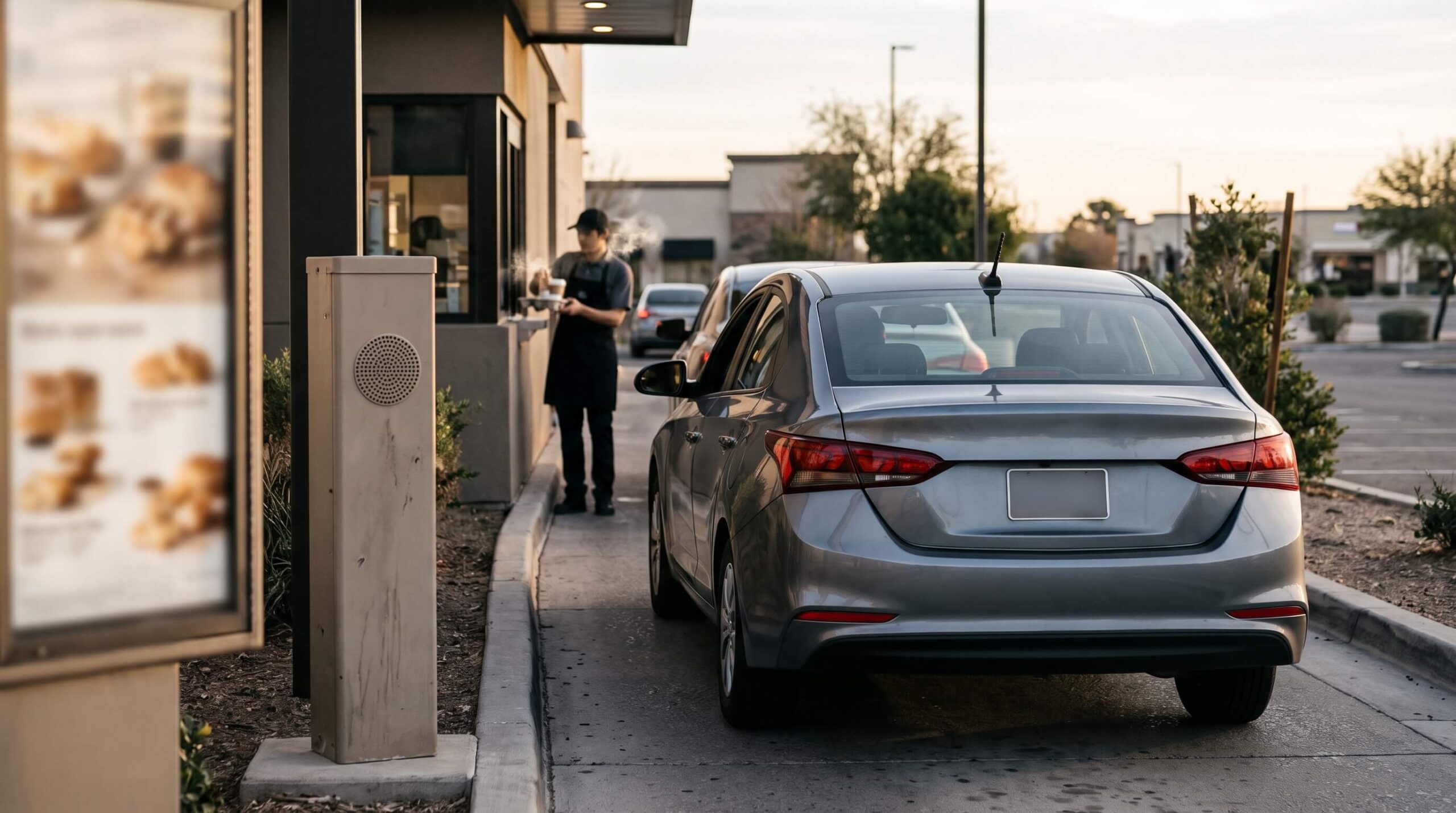
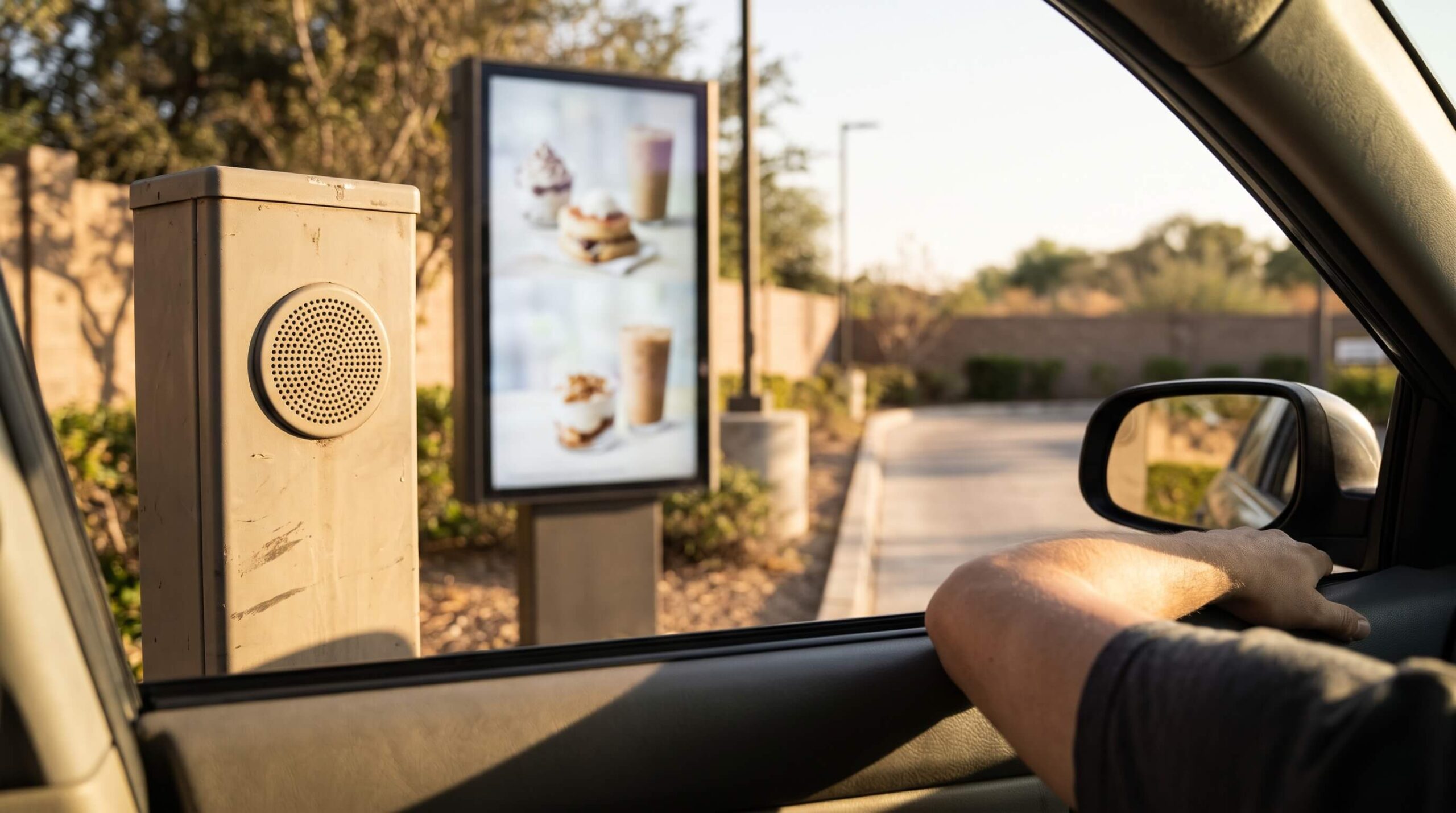
A guest pulls up and orders a spicy chicken sandwich. The speaker cuts in with a dessert offer before they have finished, then asks about a drink a second time after they have said no. Nothing breaks loudly. The guest just stops listening.
That is where upselling goes wrong, and it comes down to two things.
- The wrong moment. The offer cuts across what the guest is saying, or has nothing to do with what they ordered. It feels like an interruption.
- Every single time. The same pitch repeated after a no, or the same line on every order whatever the guest chose, teaches regulars to tune it out. It feels like pestering.
Just-in-time upselling exists to solve this: the right offer at the right point in the conversation, for what is actually in the order.
The challenge is structural. A person on a headset is also handling food, payment and the window. Suggestions that are consistent and well timed are hard to deliver from that seat. Jason Amell, Director of Operations at JASAM Enterprises, has lived it at his Checkers & Rally’s stores:
“The two toughest stations in the restaurant are fries and order taking. It was tough to find an order taker that consistently upsold and was kind to the guests. That’s why I like Hi Auto.”
Jason Amell, Director of Operations, JASAM Enterprises (Checkers & Rally’s, 27 stores, Michigan). Hi Auto customer video “Real Stories from the Drive-Thru Frontline”, 2025. Watch the video
Timing and tone matter as much as the offer. This guide covers four restaurant upselling techniques that guests welcome, and how AI order taking keeps them consistent.
What Makes a Drive-Thru Suggestion Feel Helpful?
A helpful suggestion has four qualities.
- It fits what the guest just ordered.
- It arrives at a natural point in the conversation.
- It is easy to decline.
- It sounds like the brand.
It fits the order. A guest who orders a spicy chicken sandwich is already thinking about heat and flavor, so a cold lemonade makes sense. A random dessert promotion does not. The closer the suggestion is to what is already in the bag, the more it reads as a nudge from someone paying attention.
It arrives at a natural point. A suggestion that cuts across the guest mid-sentence creates friction. One that comes when the guest has space to consider it gets a fair hearing.
It is easy to decline. Phrasing the offer as a real question keeps the guest in control. If they say no, the conversation moves on cleanly.
It sounds like the brand. The words, rhythm and warmth should match what a guest expects from your restaurant and not a generic script. That is what brand voice means in practice. When all four qualities work together, it can show up in your check average.
Four Restaurant Upselling Techniques Guests Welcome
Good service and a sales pitch feel different. The techniques below help each suggestion land as the first.
Technique 1: Fit the Suggestion to the Order
The best suggestions are ones a guest could almost predict.
Someone orders a hot sandwich with no drink, and a beverage is a logical next step. A combo without dessert makes a pie or a cookie a helpful nudge. A breakfast sandwich ordered on its own pairs so naturally with a coffee that the guest may wonder why they did not ask.
Relevance is what separates a helpful reminder from an interruption. The suggestion does not need to be big. It needs to follow from what the guest already chose.
Hi Auto’s system considers multiple factors, including order context and time and space. For an operator, the takeaway is simple. A suggestion that makes sense in the moment feels like good service.
Technique 2: Fit the Daypart and the Promotion
A suggestion that matches the time of day feels like good timing. A breakfast guest ordering a sandwich is a natural candidate for a coffee. A lunch guest may be open to a combo upgrade. An evening guest may welcome a dessert or a larger drink. When the suggestion fits the daypart, it reads as helpful and not random.
A current limited-time offer that matches what the guest just ordered, at the time of day they are most likely to want it, makes for a highly relevant suggestion.
Jose Armario, CEO of Bojangles, described how his team uses this:
“You can set BoLinda to suggest to sell by day part, by promotion… She’s very consistent and very reliable.”
Jose Armario, CEO, Bojangles. QSR webinar AI Order Taker That Works: The Bojangles Model, July 2025. Watch the clip
For multi-unit operators, the Hi Auto team can adjust scripts and upsells with each brand and roll out updates across all stores quickly. Franchisees adjust menus, limited-time offers and regional offers, while corporate keeps brand standards.
Technique 3: Ask Once, Then Step Back
The quickest way to make a suggestion feel pushy is to repeat it after the guest has said no. One well-placed offer, then the conversation moves on.
That is where back-off logic matters. Hi Auto’s system backs off automatically, so the guest is not asked again and the order moves forward. Restraint reads as respect, and it helps keep regulars comfortable at the speaker.
The number to watch is your upsell conversion rate. It tells you whether suggestions are landing, and when the offer, the timing or the wording deserves a second look.
Ask once. Make it count. Then get out of the way.
Technique 4: Be Consistent on Every Order
A relevant, well-timed, easy-to-decline suggestion only helps if it happens. That is the consistency gap, and it is the hardest part of drive-thru upselling to solve.
Think about what one seat covers during a rush: the headset, food coordination, payment and the guest at the window, all at once. When the line backs up, suggestions are often the first thing to slip. That comes from how the job is built and not from anyone’s effort.
Ryan Weaver, CEO of Lee’s Famous Recipe Chicken, described the difference on the Nift Marketing Bites: Restaurant Growth Unwrapped podcast:
“You might get an upsell 20% of the time with humans in the Drive-Thru. With Hi Auto, our voice order taking partner, we’re getting it 100% of the time.”
Ryan Weaver, CEO, Lee’s Famous Recipe Chicken. Nift Marketing Bites: Restaurant Growth Unwrapped podcast, Episode 32, 1 April 2025. Watch the clip
Hi Auto’s system can offer an upsell on every order where the operator enables it. That is the operator’s choice, because an upsell does not always make sense. Hi Auto reports an average ticket increase of about 1.5% per store, within a 1-2% range. Ticket results are per store, and the 100% figure in Lee’s quote above is Lee’s own.
It is a modest number per transaction. Consistency is what carries it through a full day of orders.
How to Review the Tone of What Guests Hear
Knowing the techniques is one thing. Knowing whether your locations carry them out in the right tone is another. Here is a three-step review you can run now.
- Read sample suggestions out loud. Does the wording sound like a helpful question or a scripted pitch? Check each one against your brand voice: the words, the rhythm, the warmth.
- Review by daypart. Is your breakfast suggestion different from your dinner suggestion, or is one line running all day? A coffee suggestion suits 7 AM and may feel out of place at 6 PM.
- Adjust scripts and push updates across stores. With Hi Auto, the team can adjust scripts and upsells with each brand and roll out updates across all stores quickly, so a wording fix does not wait on a store-by-store rollout.
Jose Armario summed up the tone he sees at Bojangles:
“The beauty of this technology is that we haven’t missed a beat when it comes down to the ability for this technology to interact as friendly, as efficiently as a human person.”
Jose Armario, CEO, Bojangles. QSR webinar AI Order Taker That Works: The Bojangles Model, July 2025. Watch the clip
A Hi Auto pilot can be live in about 8 weeks. See the full capability set on the Hi Auto product page, and read our overview of the marketing power of drive-thru AI order takers.
The Suggestion a Guest Is Glad They Heard
Hold every drive-thru suggestion to one standard: would the guest be glad they heard it?
A guest who adds a dessert they had forgotten, or upgrades a drink on a hot afternoon, leaves the window with a better experience. The goal is better offers, not more of them.
Fit the suggestion to the order. Match it to the daypart and the promotion. Ask once and step back. Do it on every order. Get those four right and a suggestion starts to feel like good service.
Call to action
See what consistent upselling could look like at your own locations. Run your per-store numbers with Hi Auto’s Upsell ROI one-pager, then talk to the Hi Auto team about a pilot.